Retreats on the Kumano Kodō
Old pilgrim paths through cedar forest, hot-spring villages and a mountain town of temples.
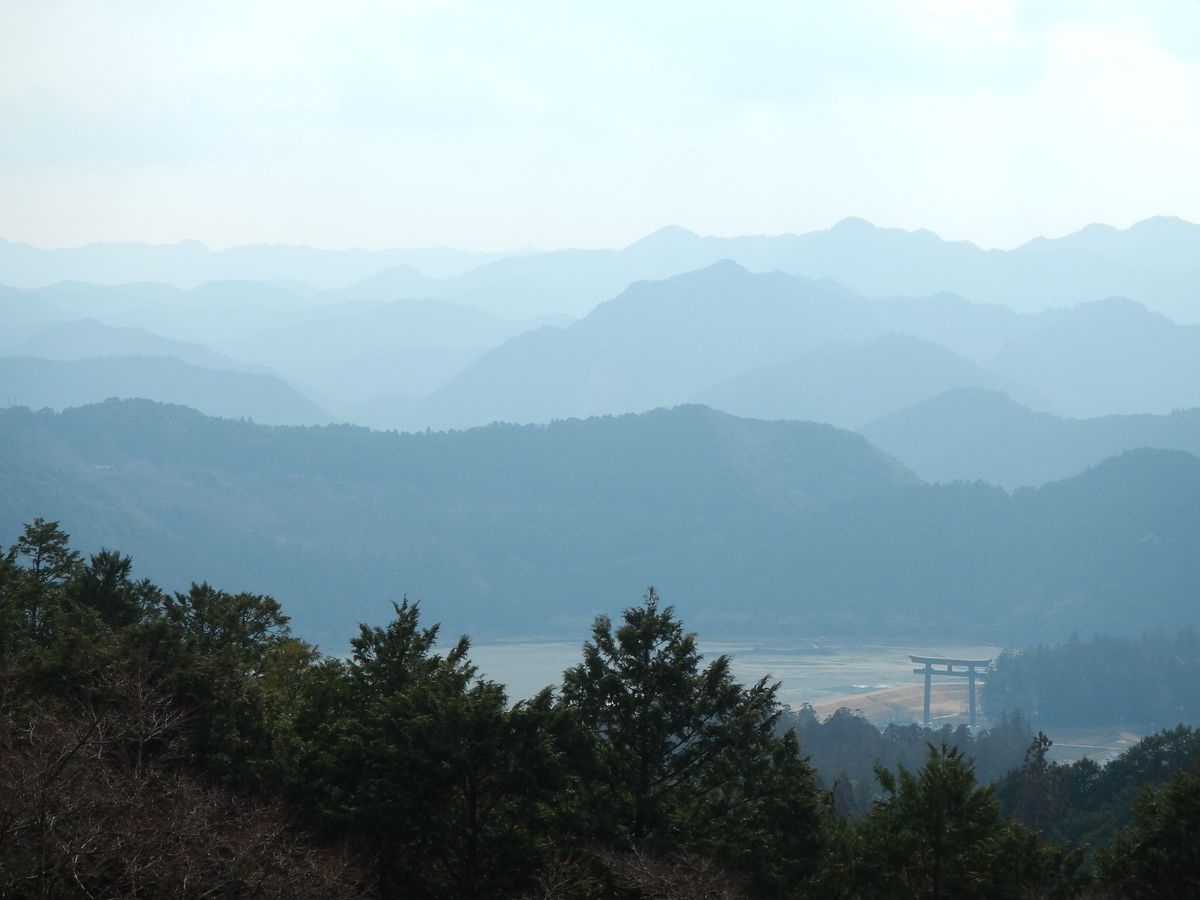
The Kumano mountains, Wakayama, Japan
About Japan
The Kumano Kodō is a web of old pilgrim paths in the mountains south of Osaka. People have walked them to three great shrines for more than a thousand years.
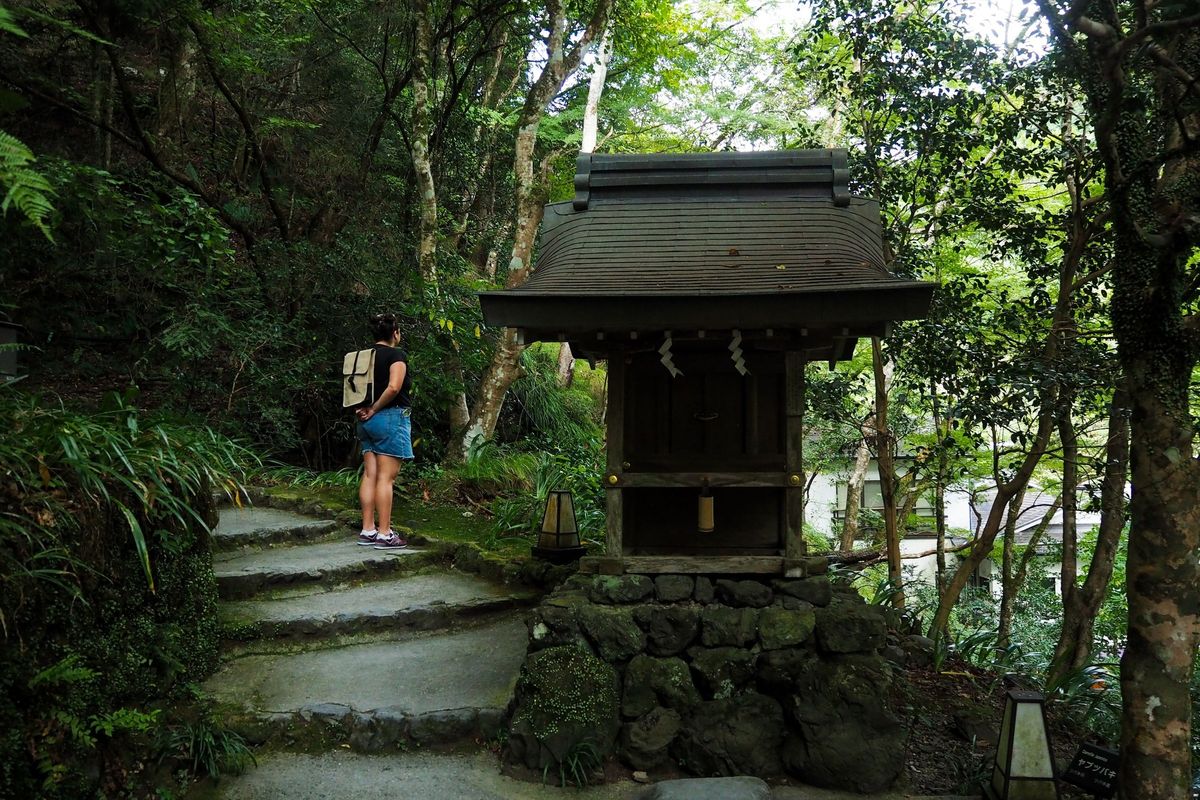
The paths climb through cedar and cypress on mossy stone steps. Nights are spent in small inns and hot-spring villages. UNESCO lists the area for the way Shinto nature worship and Buddhism grew together here.
When to go and how to get there
- Go from April, then late October to November. Spring and autumn are the peak seasons, so the small inns book up about six months ahead. The rainy season runs from early June to mid-July.
- Fly into Kansai (KIX). The train to Kii-Tanabe takes about two hours, usually with one change at Hineno. From there it’s about 40 minutes by bus to the trailhead at Takijiri.
What you can do here
- The Nakahechi route. From Takijiri the trail climbs steeply behind the shrine, then on through the forest to Chikatsuyu, a village of about 450 people on the Hidaka River.
- Tsuboyu. A tiny cabin bath in Yunomine, a hot-spring village found about 1,800 years ago.
- Hongū Taisha and the great torii. A shrine with roofs of cypress bark, and a 34-metre steel torii gate at Ōyunohara, where the shrine stood until the flood of 1889.
- The river boat to Shingū. Ninety minutes down the Kumano River in a traditional boat, with stories from the boatman.
- Daimon-zaka and Nachi Falls. A path of 267 stone steps under old cedars leads up to Nachi, where Japan’s tallest waterfall drops 133 metres beside a red, three-storey pagoda.