
The week after, and how to keep what you found
Small ways to hold on to a good retreat when the inbox and old habits come back.
Kerala backwaters, India
This takes about 3 minutes to read.
On the last morning of a good retreat, it’s easy to make ambitious promises to yourself.
You’ll get up early every single day.
You’ll walk for an hour before breakfast.
You’ll read every evening instead of scrolling.
You’ll never check email in bed again.
Then Monday arrives, and the inbox is overflowing. By Wednesday, the retreat feels like something that happened to somebody else.
That’s completely normal, and it doesn’t cancel the week you had. But your first few days at home decide how much of that week you keep. A handful of small, practical habits can help, and none of them take very long.
Protect your first day back before you leave
Don’t book your first day back solid. If you possibly can, leave the morning empty, and ideally the afternoon as well.
Use those empty hours for ordinary, unhurried things, like unpacking and buying groceries. If you walked every morning on the retreat, take a walk at the same hour around your own neighbourhood.
After a long flight, you’ll probably feel tired anyway. A crowded first day can easily flatten whatever calm you carried home.
Organise this before you travel, if you can. Set your out-of-office to finish the day after you land, and keep that morning clear. (If you’re reading this on the final evening of your retreat, it isn’t too late. Do it now.)
Next, write three lines in a notebook before you leave. Keep it to three, so you’ll actually do it.
Something you noticed about yourself during the week.
One habit you’d like to carry into ordinary life.
Anything you’d happily stop doing, or do less often.
Keep the notebook somewhere you’ll notice it every day. A note on your phone is fine too, as long as you open it regularly. Then read all three lines again at the end of your first week home.
In the first weeks back, keep everything small
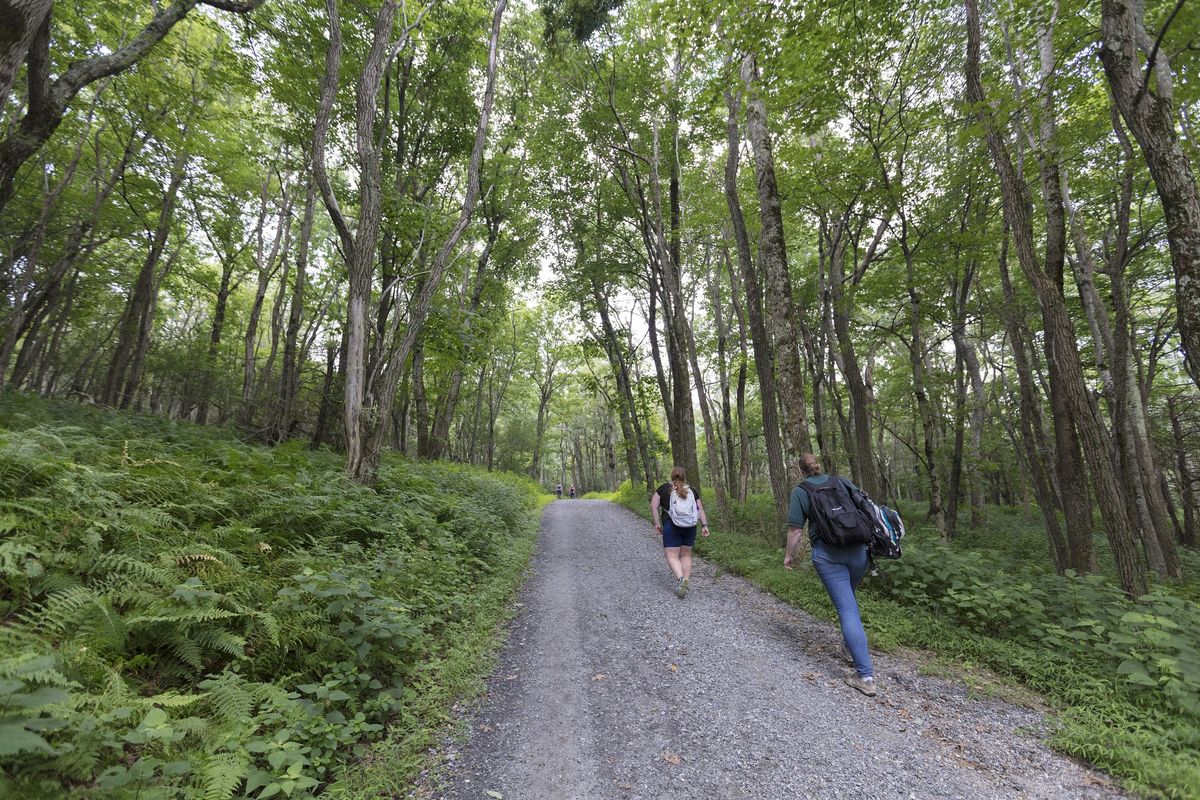
Keep one small practice, not ten. On the retreat you probably tried plenty of new routines, like morning walks, silent breakfasts, stretching, writing and early nights.
Choose one, and make it small enough to do on a difficult day. Ten minutes of walking before you open your laptop counts. So does eating breakfast without your phone.
Stick with that single habit for a month before adding another one. One habit you keep is worth more than ten you abandon by Thursday.
Then tell one person what changed. Choose somebody who’ll listen properly, rather than somebody who’ll only ask about the food. (The food questions can wait.)
It doesn’t need to be a serious conversation. Something like “I want to stop eating lunch at my desk” is plenty. Once you’ve said it out loud to another person, it’s harder to let it quietly slide. And they can gently remind you when it does.
Watch the phone habit carefully. It usually creeps back first. A quick look in bed becomes twenty minutes, and the slow mornings disappear with it.
Choose one phone rule from the retreat and carry it home. If nobody used phones at meals, keep that rule at the dinner table. If you enjoyed mornings without a screen, buy a simple alarm clock. Then charge your phone in the kitchen overnight.
You don’t have to win every time. Just notice when you reach for it without deciding to.
Plan the next pause before the year fills up
The easiest time to plan another break is while you still remember exactly why you needed one.
Put a date in your calendar within the next month or two. It doesn’t have to be a retreat. A long weekend away counts, and so does one clear Saturday every month.
Give it the same weight as any other appointment, and tell the people it affects. Then refuse to move it for anything that isn’t genuinely urgent.
Book it now, while the weeks ahead still look empty. And if you’d like another retreat, start looking while you still know what worked for you. Our guide to choosing a retreat has the checks we’d make. (They work for anybody’s retreat, including ours.)
Read your three lines whenever the week starts to fade. They’re the quickest way back to how you felt on that last morning.