What happens on a meditation retreat, and is it for you
What the days are really like, the hard part nobody mentions, and how to tell if now is the right time to go.
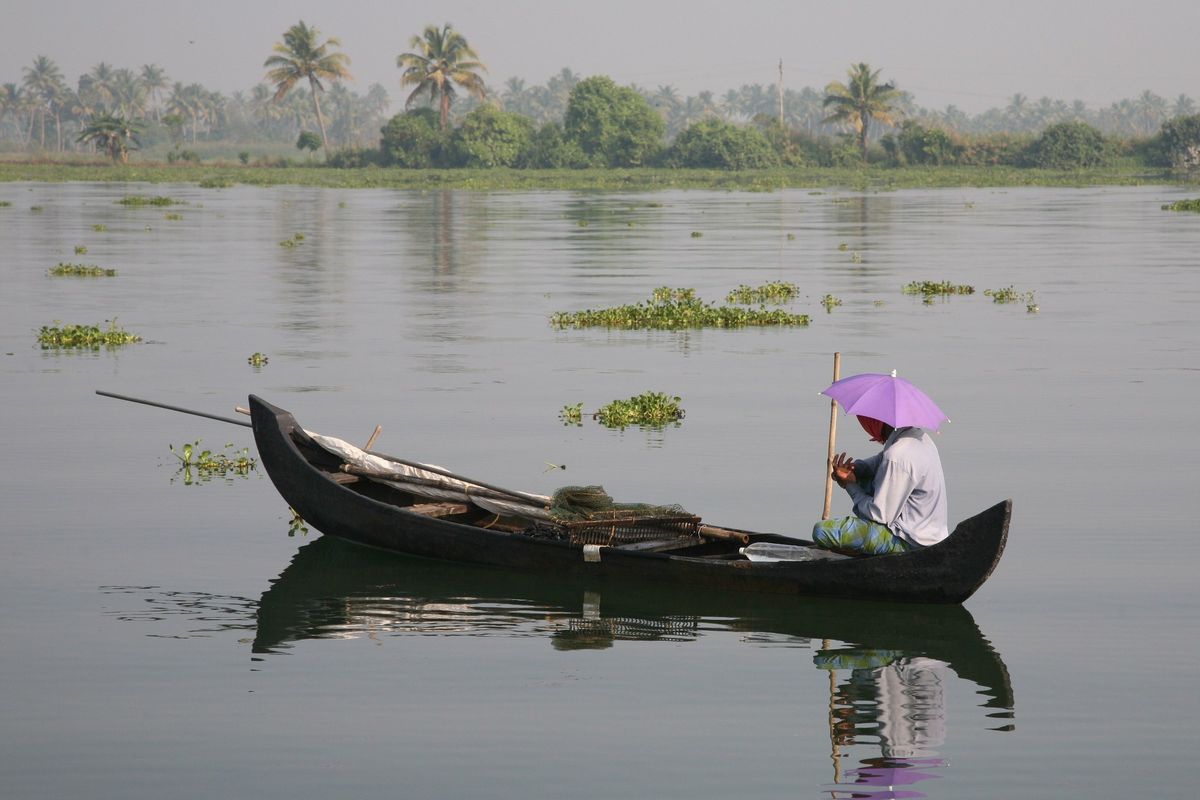
Kerala backwaters, India
This takes about 5 minutes to read.
A meditation retreat sounds simple. You go somewhere quiet and sit still for a few days.
It is simple, but it isn’t easy. Most people who go once are glad they did, and most of them also say the second day was harder than they expected.
Here is what the days are usually like, so you can decide with your eyes open.
What a day looks like
Every centre runs its own timetable, but most follow the same shape.
You wake early, often before six. The first sitting starts soon after, before breakfast.
The day is made of sittings, usually thirty minutes to an hour each, with walking meditation in between. Walking meditation is exactly what it sounds like. You walk slowly, often back and forth along a short path, and pay attention to each step.
Meals are simple and often vegetarian. In many places you eat in silence.
There is usually a talk or a short teaching in the evening, and then an early night. By nine the building is quiet.
On a weekend retreat that adds up to a lot of sitting. On a ten-day retreat it adds up to a great deal.
The silence
Many meditation retreats are silent. That can mean no talking at all, or talking only to the teacher at set times.
Some go further. No phones, no books, no writing and no eye contact, so that nothing pulls your attention outward.
Before you book, find out which kind it is. A retreat where you’re quiet in the mornings feels very different from one where you don’t speak for ten days.
The hard part nobody mentions
The first day is usually fine. It is new, and the quiet feels like a relief.
The second and third days are where most people struggle. Your back aches from sitting. Your mind goes over the same worries again and again. You get bored, then restless, and some people feel a wave of sadness or anger they didn’t see coming.
This is normal, and for most people it passes. Somewhere around the middle the noise starts to settle, and the days get easier.
A good teacher will tell you this at the start and will make time to talk to you when it happens.

Is it for you right now
A meditation retreat suits you if you want to understand your own mind a little better, you can live with discomfort for a few days, and you are in a steady enough place to be alone with your thoughts.
It is probably not the right step right now if you are in a crisis, if something very painful has happened recently, or if you are living with serious anxiety, depression or past psychosis. Long hours of meditation can bring difficult feelings to the surface, and a retreat is not the place to meet them without support.
If any of that sounds like you, talk to your doctor first. A good centre will ask about your health before it accepts you, and will tell you honestly if it isn’t the right time.
How to choose one
Look for a teacher whose training you can check. Ask how long they have been teaching and who they learned from.
Read the timetable before you pay. If a centre can’t tell you what a day looks like, keep looking.
Ask what happens if you find it hard. Can you speak to the teacher? Is there anyone on site at night?
Check the group size, the cost and the refund terms. Some centres ask for a donation at the end instead of a fixed price, which is a long tradition and not a trick, but you should know before you arrive.
Our guide to choosing a retreat has the five checks we would make for any retreat, not only ours.
A gentler way in
You don’t have to start with ten silent days.
A day retreat or a weekend gives you a real taste of it. So does a retreat where meditation is part of the day rather than all of it.
That is how Even Ground, our retreat in the desert near Al Ain, works. It isn’t a silent meditation retreat. Your phone stays in a basket for most of the day, and most days you practise slow breathing, about six breaths a minute for five minutes at sunrise or sunset, and ten minutes of counting breaths to train your attention. The rest of the time is walking, meals together, quiet and rest. You can come for 3, 5 or 7 days.
If you are curious about meditation but not ready to give a whole week to silence, a few days like that can tell you a lot.
What to pack
Clothes you can sit in for an hour without thinking about them. Loose trousers, soft layers and something warm, because you get cold sitting still.
Most centres give you a cushion or a chair. If your knees or back complain, ask for a chair. Nobody minds.
Earplugs, a water bottle and a small notebook, if writing is allowed.
And leave the plan for what you’ll do with your new calm at home. You will know more after you’ve been.